Wigs have been a part of human culture for thousands of years, serving both functional and aesthetic purposes. From ancient Egyptian nobility who wore them to protect their heads from the sun, to modern individuals using them for fashion or medical reasons, wigs have consistently held a unique place in personal expression. Their significance spans not just across time but also across cultures and societies, reflecting the evolving values of beauty and identity.
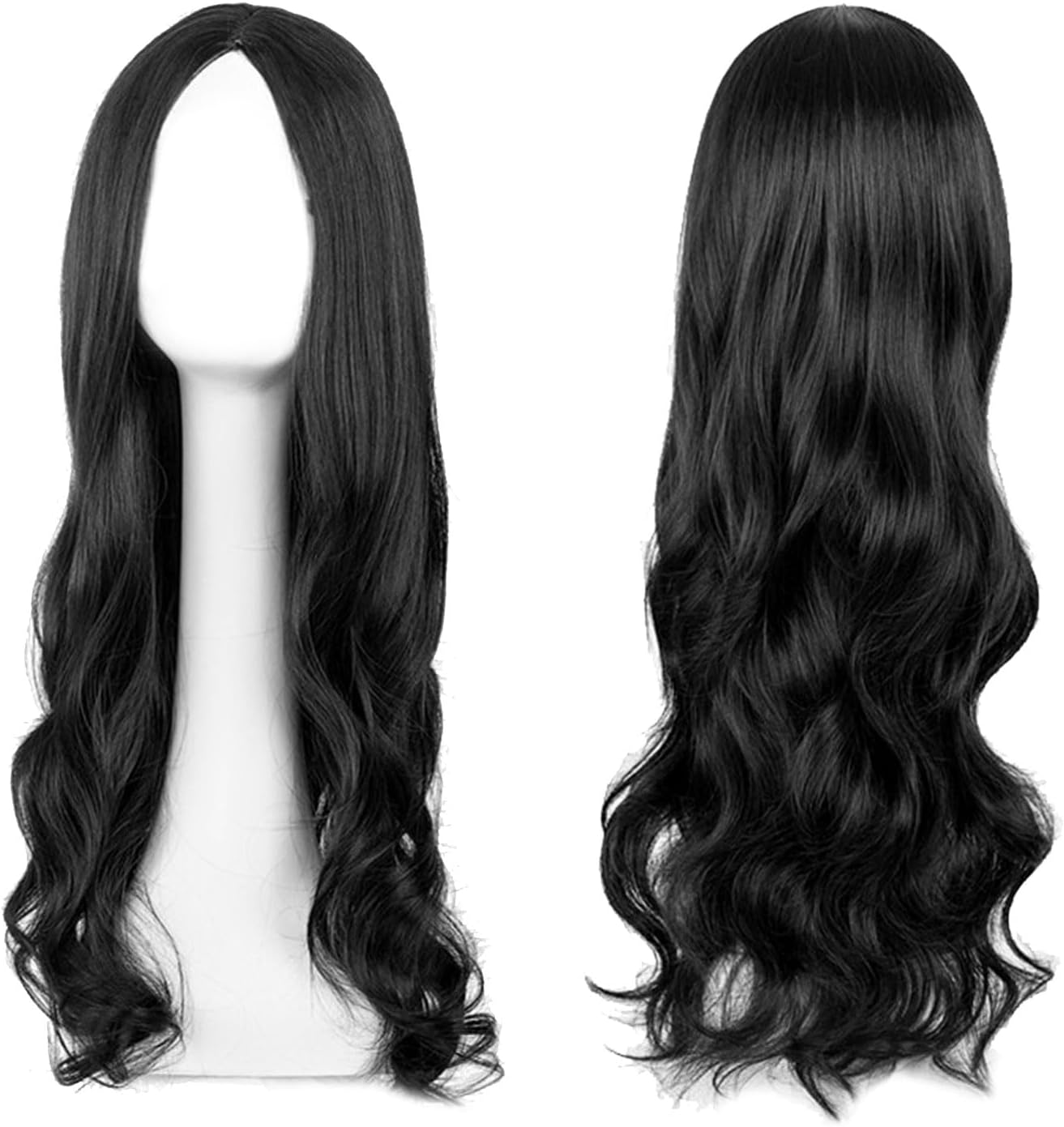
In today’s world, wigs are more accessible and versatile than ever before. With advancements in materials and design, people can choose from synthetic or human hair wigs that look remarkably realistic. Whether used for convenience, confidence, or style experimentation, wigs offer flexibility for anyone looking to change their appearance without permanent commitment. The popularity of wigs has grown in part due to celebrities and influencers normalizing their everyday use, breaking down previous stigmas associated with wearing them.
One of the biggest drivers behind the demand for wigs is medical necessity. For individuals undergoing chemotherapy, dealing with alopecia, or suffering from other hair loss conditions, wigs provide a sense of normalcy and dignity. The emotional impact of losing hair can be profound, and wigs offer a way to regain control over one’s appearance. Organizations and charities often step in to provide high-quality wigs to those in need, highlighting the supportive role wigs can play in difficult times.
The fashion industry has long embraced wigs as a tool for creativity and reinvention. Runways, photo shoots, and red carpets frequently feature wigs as part of bold looks that push the boundaries of style. Stylists use wigs to test new colors, cuts, and textures without making permanent changes to a model’s or celebrity’s natural hair. In this sense, wigs act as a canvas for artistic expression, transforming someone’s image within minutes and making them a staple in high-fashion environments.
In everyday life, wigs are also gaining popularity among people who want to simplify their beauty routines. A well-styled wig can save time in the morning, eliminate bad hair days, and reduce damage caused by heat styling or chemical treatments. Some individuals keep multiple wigs for different occasions, switching them out just like outfits. This practical side of wigs has made them appealing to busy professionals, students, and anyone looking for low-maintenance beauty solutions.
The wig industry has also seen a surge in inclusivity, with companies now offering a wider range of options to suit diverse needs. This includes wigs in various skin-tone lace colors, textures that mimic natural hair types, and customizable features like parting space and adjustable caps. As consumers demand more representation and authenticity, the industry has responded by designing wigs that cater to all backgrounds, further solidifying wigs as tools of empowerment.
Wig maintenance is another important aspect that buyers need to consider. Proper care not only extends the lifespan of wigs but also maintains their appearance and comfort. Human hair wigs require similar upkeep to natural hair, including washing, conditioning, and occasional restyling. Synthetic wigs, on the other hand, are often more low-maintenance but still benefit from gentle cleaning and correct storage. Investing time in learning about wig care helps wearers get the most value and satisfaction from their wigs.
Cultural traditions have also influenced the design and significance of wigs throughout history. In 17th-century Europe, powdered wigs were symbols of status and authority among aristocrats and judges. In Japanese Kabuki theater, elaborate wigs represent different characters and social roles. Even in contemporary religious communities, some individuals wear wigs as part of their spiritual practice. These examples show how wigs can carry deeper meanings beyond their surface-level function, connecting wearers to heritage and identity.
Technology has revolutionized the way wigs are made and sold. Online wig retailers now offer virtual try-ons, custom fittings, and user reviews, making it easier for customers to find the perfect match from the comfort of their home. 3D printing and machine-tied lace methods have improved the quality and realism of wigs. As the industry continues to embrace innovation, wigs are becoming more comfortable, durable, and tailored to individual preferences than ever before.
Looking ahead, the future of wigs appears to be closely tied to self-expression and personal empowerment. With society becoming more accepting of nontraditional beauty standards, people are increasingly using wigs to experiment with gender, fashion, and identity. Wigs are no longer seen as just a cover-up or costume; they are becoming central to how people choose to represent themselves. This shift in perception ensures that wigs will continue to be relevant in a world that values authenticity and creativity.
In summary, wigs have evolved from symbols of rank and tradition to everyday tools of empowerment and style. Their wide range of uses—medical, fashion, practical, and cultural—underscores their versatility and enduring appeal. As technology and social attitudes continue to evolve, wigs are poised to play an even more significant role in helping people feel confident, expressive, and in control of their image.